
LOCAL METIS HISTORY
SHARING CULTURAL TEACHINGS THROUGH ART
WHO ARE THE METIS? Don’t they live on the Prairies? Why are they in Victoria? Why are they considered Indigenous?
Did you know that Fort Victoria was built by 40 Métis voyageurs, 3 Nuu-Chah-Nulth men, and a group of Lekwungen labourers?
The first Métis family (Charles and Isabella Ross and their children) first arrived on the south island 1823 - 20 years before the Fort was built. They had been traveling up and down the coast voerseeing the building of numerous HBC Forts, and returned to build Fort Victoria twenty years later, in 1843. Their son William was the first baby born in the Fort and they were the first and only Métis family in Fort Victoria at the time.
The first non-First Nations language spoken in the Fort was Michif, with some Chinook (Fur Trade jargon) thrown in. These Michif and Chinook words still exist today on many of our street signs and place names. By time the European women and gold prospectors arrived in the 1860s, Victoria had already been through numerous cultural shifts and losses. The Songhees and Esquimalt Peoples were forced outside the Fort and eventually over the bridge to the other side of the harbour. Lekwungen, Michif, and Chinook were replaced with English in the Fort. Along with the drastic changes in agriculture, architecture and industry, Indigenous languages and cultures were quickly relegated to the outskirts at best, and often prohibited all together.
The Métis make up one third of the Indigenous Peoples in Canada, along with the First Nations, and Inuit. With their own distinct languages, culture, history, and teachings, they bring a unique perspective to both historical and present-day life in Canada. Métis people are Indigenous to Western Canada, and are not from anywhere else on earth. While related (sometimes very closely) to First Nations and/or Inuit cousins, they have their own stories to tell and histories to share.
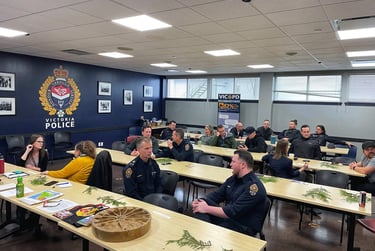
My historical workshops can focus on a number of themes, topics, and historical teachings. Whether you’re looking for a better understanding of the early days of colonization, or trying to reconcile “how we got here,” please reach out and let me know what your organization needs to further its understanding of this beautiful city grappling with its own truth and reconciliation.
Is your organization attracting Indigenous applicants? How are your retention rates? Would you like to create a more inclusive space but don’t know where to start? Let’s talk!
From job postings to interview techniques and communication styles, attracting and retaining Indigenous candidates are important for reconciliation and company culture, yet many organizations are still trying to figure out what they could be doing better to improve their attraction and retention.
With over 15 years of hiring and onboarding Indigenous candidates for both Indigenous and non-Indigenous governments and organizations, I can assist with the recruitment and onboarding process to ensure that you are attracting qualified candidates. I can also offer feedback on how you might decolonize aspects of your operation, or be more inclusive with your policy manual or communications styles.
Métis people are often seen as the bridge builders between two worldviews, and I take that role very seriously because it is important as we walk alongside each other. Let’s discuss the topics of “you don’t know what you don’t know,” and find ways to bridge those gaps.


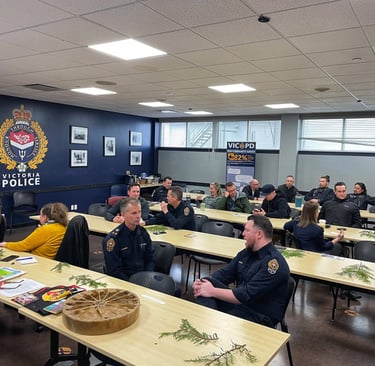
PRACTICAL WORKPLACE RECONCILIATION
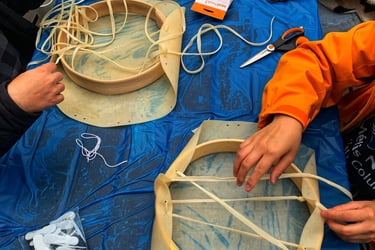
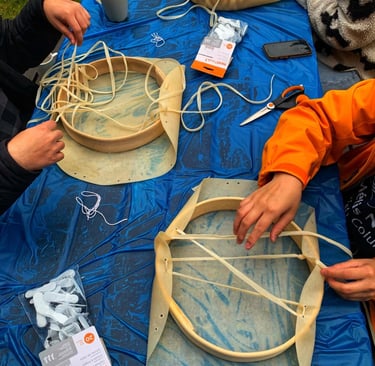
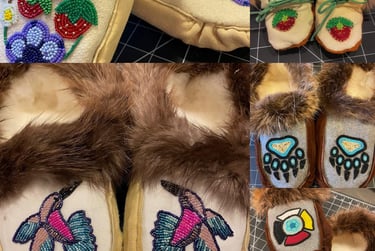
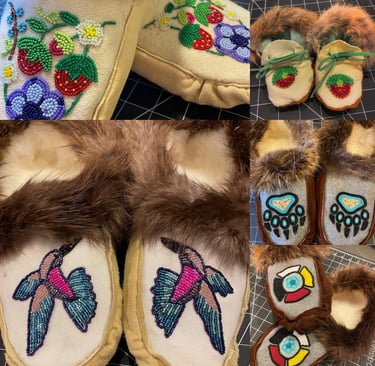
Art is the great connector. Cultural art mediums for Métis people include beadwork (we are known as “the flower beadwork people”), embroidery, ribbon skirts, and drum-making, among others. As with any culture, our art continues to evolve, especially as it is no longer something to keep hidden and resources are more plentiful.
Some of our teachings around working with animal hides or plant medicines are sacred and kept close to our hearts to protect our animal and plant relatives and their precarious environments. Some of our teachings around creating ribbon skirts and shirts, fire bags, etc. are for Métis makers only to create and sell, but in certain circumstances we are happy to share teachings and simple techniques that everyone can learn, to foster cultural exchange. These cultural exchanges are particularly meaningful when shared among Indigenous peoples from other nations, as we all have important teachings based on the lands where we reside - especially when away from home.
I welcome to opportunity to work with local First Nations and share drum and moccasin teachings passed down to me from my Cree-Métis relatives. Some of my best youth events have included these information sharing sessions - especially when language is involved!
If you would like to collaborate on sharing cultural knowledge through traditional arts, especially for disconnected youth or people away from home, please reach out!